Managing business finances is often overlooked, but it plays a huge role in how a business grows. The problem is, many small business owners still rely on Excel or even manual notes.
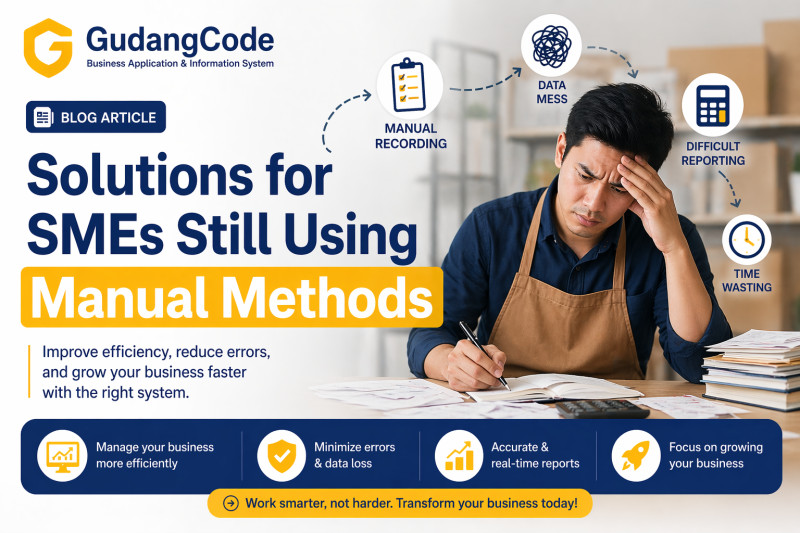
It might seem simple at first, but over time it often leads to issues: miscalculations, messy data, and unclear reports. If left unchecked, this can slow down your business.
The good news is, you don’t have to rely on Excel anymore. There are more practical ways to manage your business finances efficiently.
1. Use Financial Apps Instead of Spreadsheets
Excel is flexible, but it’s not built for daily business operations.
With financial apps, you don’t need to create formulas or calculate manually. Everything is automated — from recording transactions to generating reports.
2. Record Transactions Immediately
One of the biggest causes of messy data is delayed recording.
Small transactions that are not recorded today are usually forgotten tomorrow.
3. Take Advantage of Automation
Modern systems allow you to see your business performance instantly.
Profit, loss, and cash flow are calculated automatically — something Excel can’t handle efficiently in daily operations.
4. Separate Personal and Business Finances
This is a common mistake.
If personal and business finances are mixed, it becomes difficult to know the real condition of your business.
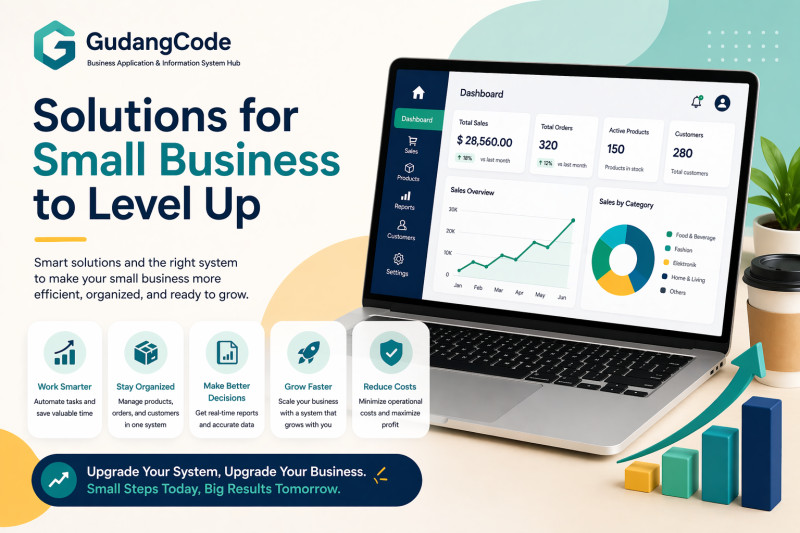
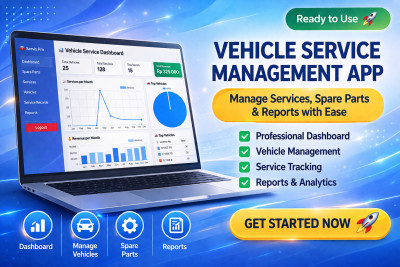
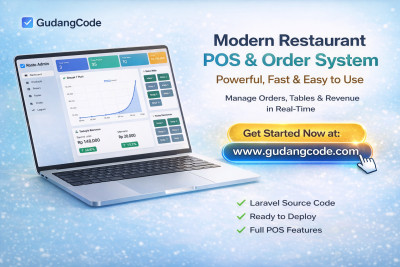
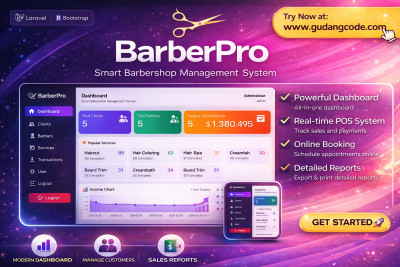
5. Use a Dashboard, Not Files
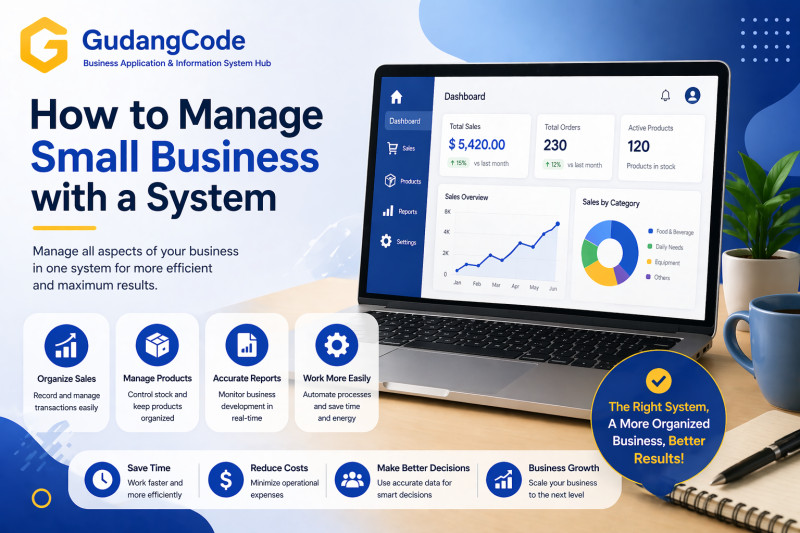
Instead of opening multiple Excel files, modern systems provide a dashboard.
In one view, you can monitor sales, expenses, and financial performance in real time.
Why Many Businesses Are Moving Away from Excel
It’s not that Excel is bad — it’s just not enough anymore.
- Manual processes take too much time
- High risk of errors
- Not suitable for daily operations
- No real-time updates
A More Practical Solution
Today, there are many ready-to-use financial systems available.
If you want a faster approach, you can explore platforms like GudangCode, which provide ready-made business applications.
Explore here:
Conclusion
Managing business finances doesn’t have to be complicated.
It’s not about whether you use Excel or not, but about choosing the right system for your business.
If you want better control and efficiency, it’s time to move to modern solutions.