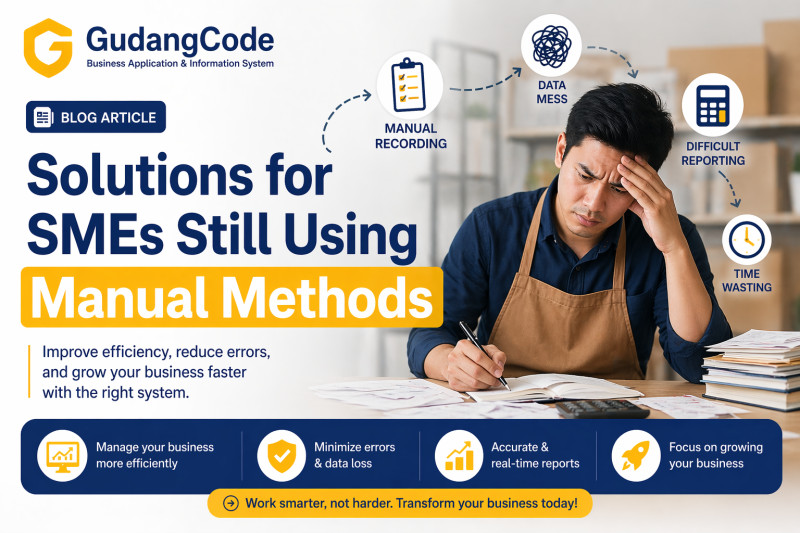
In today’s fast-evolving digital landscape, digital transformation has become essential for businesses of all sizes, including small businesses and SMEs. Without integrated systems, many business processes are still handled manually, which can lead to errors, delays, and operational inefficiencies.
By implementing an information system, small businesses can improve productivity, streamline operations, and make more accurate decisions based on real-time data.
Below are practical steps to help you digitize your small business using information systems effectively.
1. Identify Your Business Needs
The first step is understanding your core business requirements. Every business has different processes, so it is important to identify which areas need digitalization the most.
- Sales transaction recording
- Inventory and stock management
- Customer data management
- Financial reporting
Clearly defining these needs will help you choose the most suitable system.
2. Choose the Right Information System
Select an information system that matches your business scale and requirements. You do not need to start with a complex system—begin with something simple but functional.
- Point of Sale (POS) systems
- Inventory management systems
- Basic accounting applications
- Customer Relationship Management (CRM) tools
The right system will make adoption easier and more effective.
3. Start with the Most Critical Processes
You do not need to digitize everything at once. Focus on the most important processes first so you can see immediate results.
For example, start with sales and inventory management before expanding to other systems.
4. Use Ready-to-Use Applications
To speed up implementation, consider using ready-made applications. These solutions allow you to avoid building systems from scratch.
- Faster implementation
- More affordable costs
- Features are already available
This approach is ideal for small businesses that want to adopt technology without technical complexity.
5. Integrate Your Systems
For better performance, ensure that your systems are connected. Integration reduces data duplication and improves efficiency.
For example, sales systems can be integrated with inventory and financial reporting tools.
6. Train Your Team
Make sure you and your team understand how to use the system properly. Basic training can help avoid errors and improve overall efficiency.
7. Use Data for Decision-Making
One of the main advantages of digitalization is access to accurate and real-time data. Use this data to analyze performance and make better business decisions.
Benefits of Digitalization for Small Businesses
By implementing an information system, small businesses can gain several advantages, such as:
- Faster and more efficient operations
- Reduced manual errors
- More accurate and structured reports
- Easier business monitoring
Challenges and Solutions
Many small business owners hesitate to start digital transformation because they believe it is complex and expensive. However, with ready-to-use applications, the process has become much simpler and more affordable.
You do not need advanced coding skills to start using information systems.
Practical Solution to Get Started
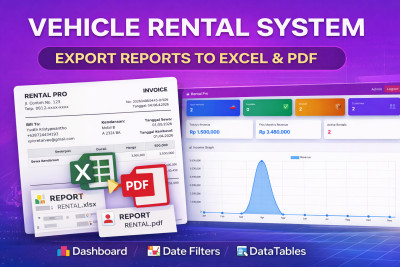
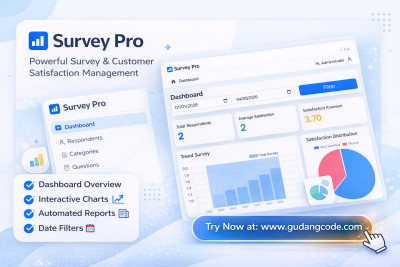
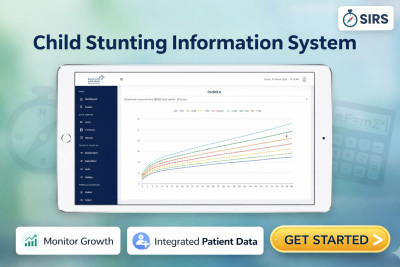
If you want to begin digitizing your business quickly, there are platforms that offer ready-to-use information systems that can be deployed immediately.
One option to consider is GudangCode, which provides a variety of business applications suitable for SMEs and growing companies.
Start your digital transformation here:
Conclusion
Digitalizing a small business does not have to be complicated or expensive. By choosing the right information system, you can improve efficiency, reduce errors, and strengthen your business competitiveness.
Start with small steps, use the right tools, and gradually develop your system according to your business needs.