How to Manage a Small Business with a More Professional System
Many small businesses start with simple, manual processes—writing transactions in notebooks, tracking inventory manually, and managing finances without a clear system.
At first, this might work. But as the business grows, it often leads to messy data, frequent errors, and difficulty in monitoring performance.
The good news is, you don’t need a complex system to start. Small improvements can already make a big difference.
1. Start Using Digital Systems
Switching to digital tools allows you to manage transactions, inventory, and finances automatically and more efficiently.
2. Use a POS System
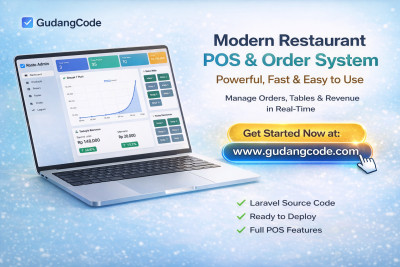
A POS system records sales quickly and accurately, eliminating the need for manual calculations.
3. Manage Inventory Properly
Manual stock tracking often leads to shortages or overstocking.
With an inventory system, you can monitor stock levels in real-time.
4. Organize Finances Digitally
Proper financial management is essential for business growth.
Use tools that automatically track income and expenses.
5. Use a Dashboard for Monitoring
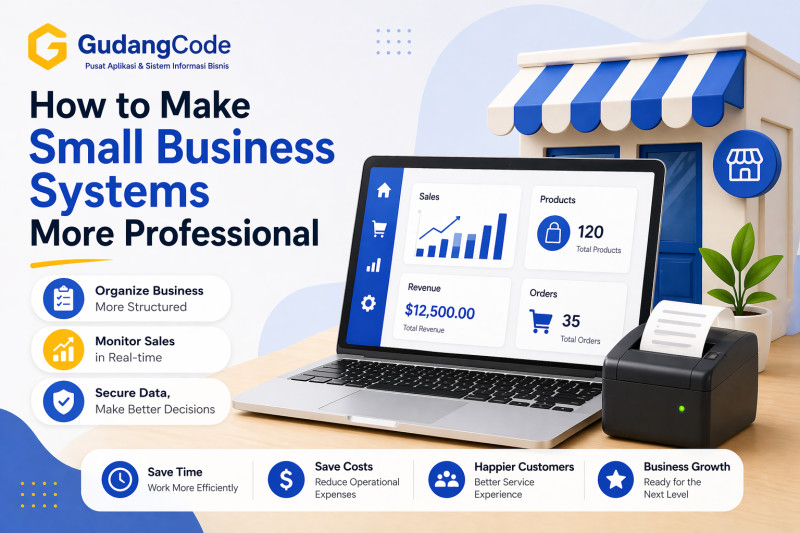
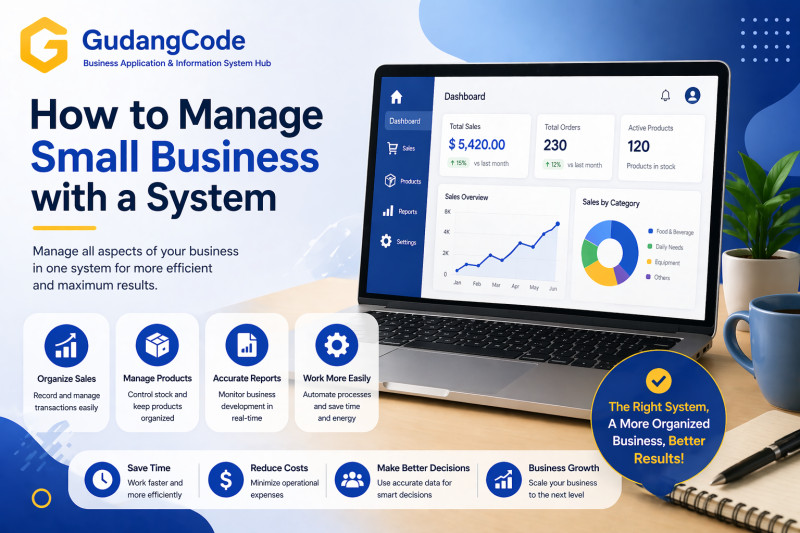
A dashboard gives you a clear overview of your business performance—sales, stock, and overall operations.
6. Integrate Your Systems
Connecting your sales, inventory, and financial systems makes your operations more efficient and reduces errors.
Benefits of Using a System
- More organized operations
- Accurate data tracking
- Time efficiency
- Easier business evaluation
- Better scalability
Use Practical Solutions
You don’t need to build everything from scratch. Many ready-to-use business applications are available today.
Explore solutions here:
Conclusion
Managing a small business with the right system makes it more organized, efficient, and professional.
Start small and improve gradually as your business grows.